
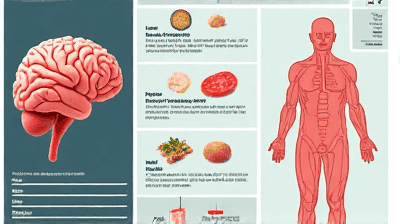
In recent years, the ketogenic diet, characterized by high fat and low carbohydrate intake, has gained widespread popularity as a potential solution for weight loss, improved energy levels, and even certain health conditions. At the core of this diet is a physiological state known as ketosis, a metabolic process that shifts the body's primary source of energy from carbohydrates to fats.
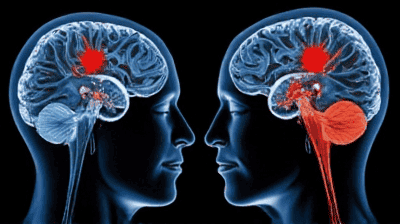
Neurodegenerative diseases represent a group of disorders characterized by the progressive degeneration of the structure and function of the nervous system. Among these, Alzheimer's disease and Parkinson's disease are two of the most common and widely recognized conditions. Both diseases primarily affect older adults and share some overlapping symptoms, but they involve distinctly different pathological processes in the brain. Understanding the differences between Alzheimer's and Parkinson's diseases is cru
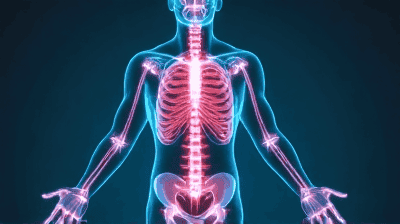
Stress is an inevitable part of life that can affect anyone at any time. While some stress can be motivating and help individuals navigate challenges, chronic stress has detrimental effects on physical and mental health. Understanding how stress impacts the body is crucial for developing effective coping strategies and promoting overall well-being.

Happiness is a universal aspiration, yet it often feels elusive. Despite the myriad of factors influencing our moods, science has provided valuable insights into the biological underpinnings of happiness, particularly the roles of serotonin and dopamine. These neurotransmitters are key players in regulating our emotions, motivations, and overall sense of well-being.
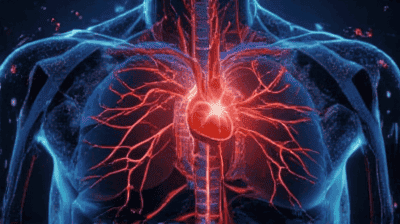
Heart disease remains the leading cause of death worldwide, claiming an estimated 17.9 million lives each year. Despite advances in medical research, technology, and public health initiatives, the prevalence of heart disease continues to rise. Understanding the various factors contributing to this ongoing epidemic is essential for addressing the challenges of cardiovascular health in the 21st century.